Understanding Quality: What Sets Bespoke Joinery Apart from Mass Production


The Essence of Bespoke Joinery
In a world where mass production dominates, bespoke joinery stands out as a testament to craftsmanship and individuality. But what exactly sets bespoke joinery apart from its mass-produced counterparts? Understanding the nuances of quality and personalization can help you make informed decisions for your next project.
Craftsmanship and Attention to Detail
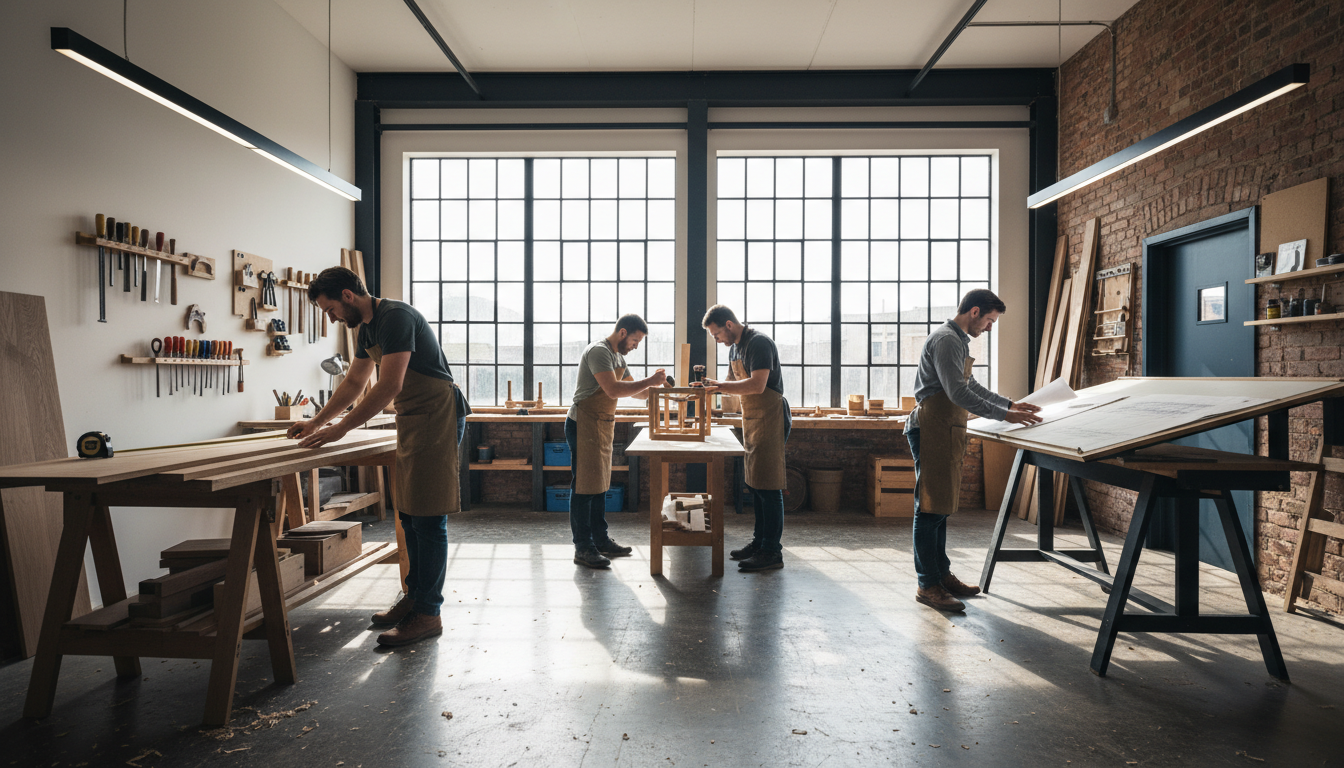
One of the most significant differences between bespoke joinery and mass production is the level of craftsmanship involved. Skilled artisans create each piece with meticulous attention to detail, ensuring that every joint, edge, and surface meets the highest standards. This dedication results in furniture and fittings that are not only functional but also aesthetically pleasing.
Mass-produced items, on the other hand, often prioritize quantity over quality. Machines handle most of the production process, which can lead to inconsistencies and a lack of personalized touch. In bespoke joinery, every piece is a unique work of art, reflecting the artisan's skill and passion.
Personalization and Customization
Bespoke joinery offers unparalleled levels of personalization. Whether it's a custom-built wardrobe or a unique kitchen cabinet, clients have the opportunity to be involved in the design process, tailoring each piece to their specific needs and preferences. This results in items that perfectly fit the intended space and align with the client's vision.
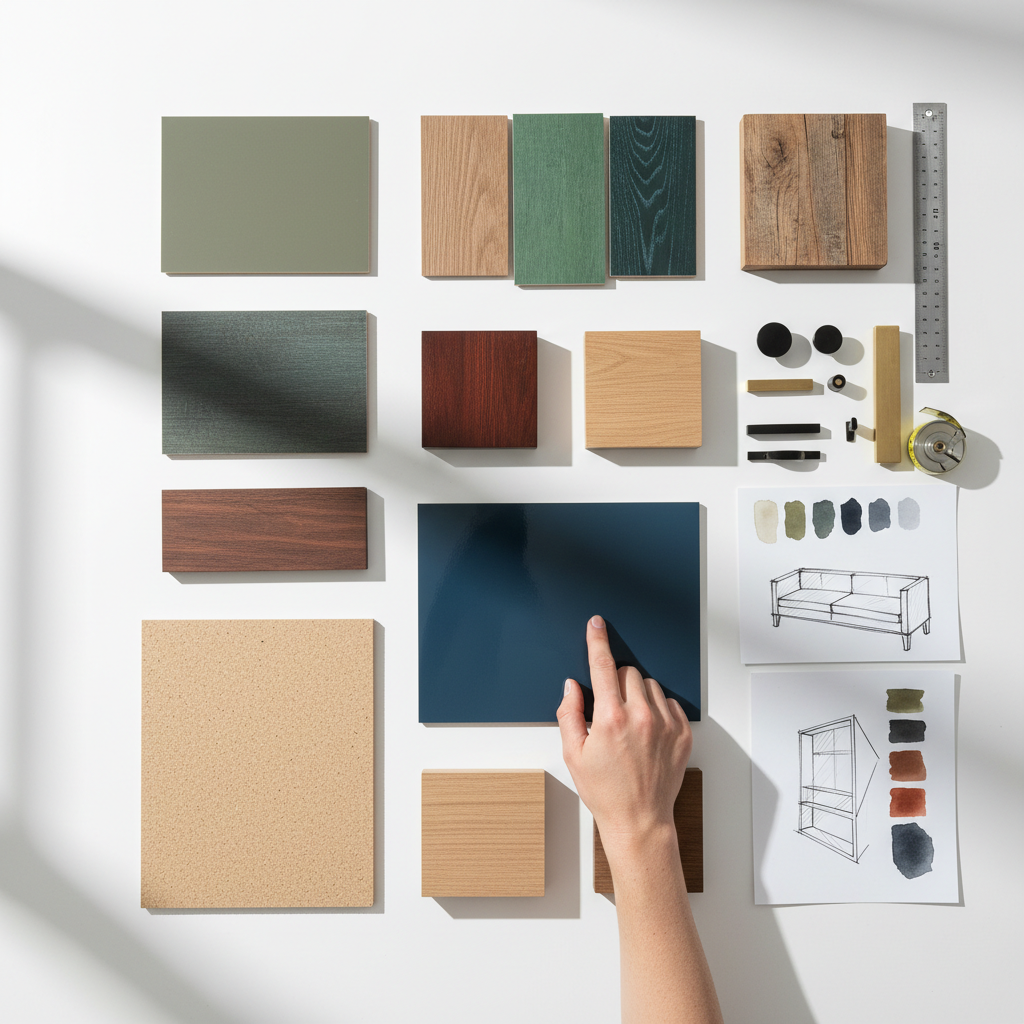
Mass-produced furniture often lacks this level of customization. While there may be a variety of styles and finishes available, the fundamental design remains the same, limiting the potential for personalization. Bespoke joinery, however, allows for complete creative freedom.
Materials and Sustainability
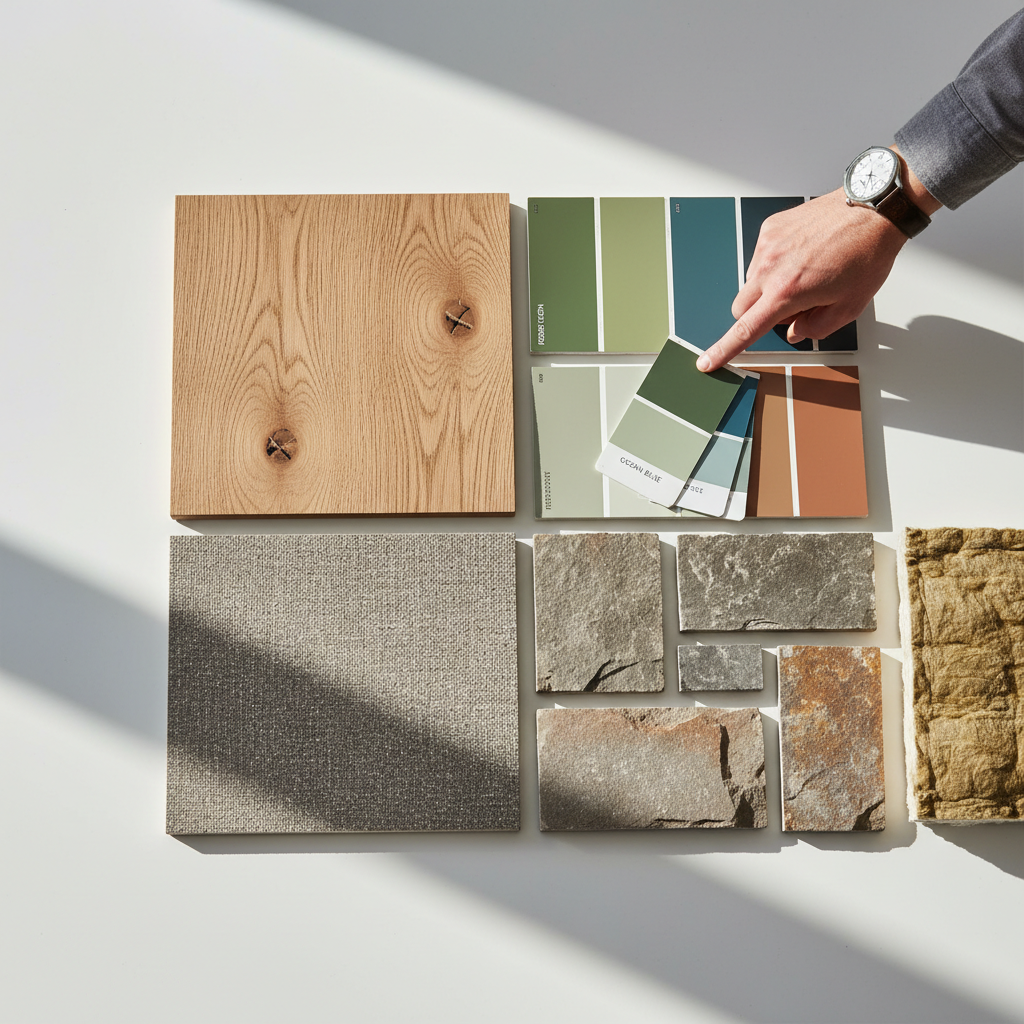
Quality materials play a crucial role in the distinction between bespoke joinery and mass production. Artisans typically select high-quality, sustainable materials that enhance the overall durability and appearance of each piece. This focus on quality extends the lifespan of the furniture, making it a worthwhile investment.
Mass production often relies on cheaper materials to reduce costs, which can compromise the longevity and appearance of the final product. By choosing bespoke joinery, clients not only receive superior materials but also contribute to more sustainable practices.
Investment in Longevity
While bespoke joinery may come with a higher initial cost, it provides long-term value. The durability and timeless design of custom pieces mean they are likely to last for generations, making them a smart investment. Over time, the cost of replacing mass-produced items can add up, outweighing the initial savings.
Understanding the value of bespoke joinery is about recognizing the investment in quality, individuality, and sustainability. Each piece tells a story, crafted with care and precision to meet the specific needs of its owner. It's this commitment to excellence that truly sets bespoke joinery apart.