From Measurement to Installation: The Joinery Process Explained


Introduction to the Joinery Process
Joinery is a meticulous craft that combines precision, creativity, and skill to produce functional and aesthetically pleasing woodwork. Whether you're considering custom cabinetry, doors, or windows, understanding the joinery process can help you appreciate the craftsmanship involved.

Step 1: Initial Measurement
Every successful joinery project begins with accurate measurements. This involves visiting the site to assess the space and gather dimensions. Accurate measurements ensure that the final product fits perfectly and functions as intended.
Tools for Measurement
Joiners use a variety of tools to capture measurements, including tape measures, laser distance measurers, and spirit levels. These tools help ensure precision, which is crucial for the project’s success.
Step 2: Design and Planning
Once measurements are taken, the design phase begins. This phase involves creating detailed plans and drawings that outline the specifications of the project. Collaboration with the client is key to ensuring the design meets their vision and requirements.

Choosing Materials
Material selection is another crucial aspect of the planning phase. The type of wood and finishes chosen will impact the durability and appearance of the final product. Options range from oak and mahogany to more sustainable choices like bamboo.
Step 3: Crafting the Pieces
With a finalized design and materials in hand, the crafting phase begins. Skilled joiners cut, shape, and assemble the wood pieces, paying close attention to detail to ensure each component meets the design specifications.
Joinery Techniques
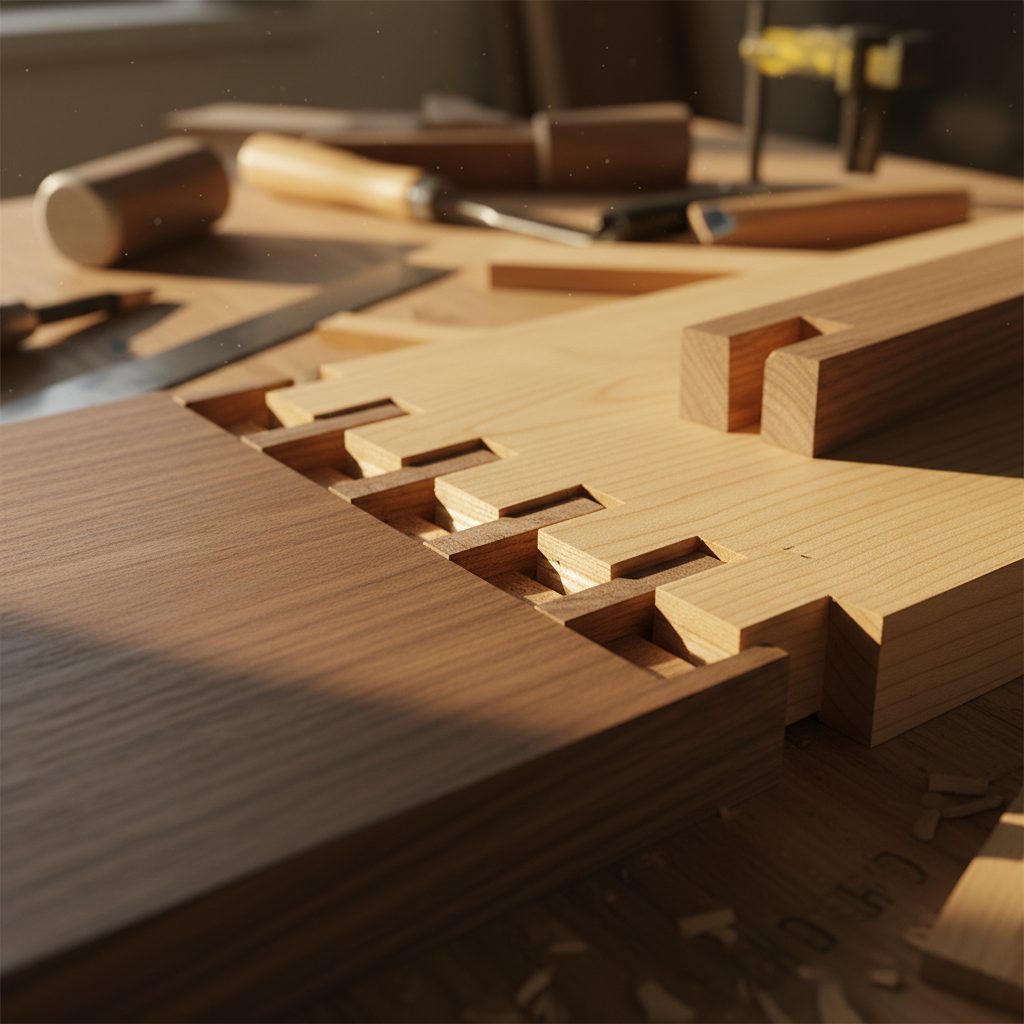
Joinery involves various techniques, such as dovetail, mortise and tenon, and biscuit joints. Each technique has its own advantages and is chosen based on the project requirements.
Step 4: Finishing Touches
After crafting, the pieces undergo finishing. This process includes sanding, staining, and sealing to enhance the wood's natural beauty and protect it from wear and tear. Finishing not only adds aesthetic value but also extends the lifespan of the woodwork.
Quality Control
Quality control is essential at this stage. Joiners inspect each piece for any imperfections and make necessary adjustments. Ensuring high-quality workmanship is a hallmark of professional joinery.
Step 5: Installation
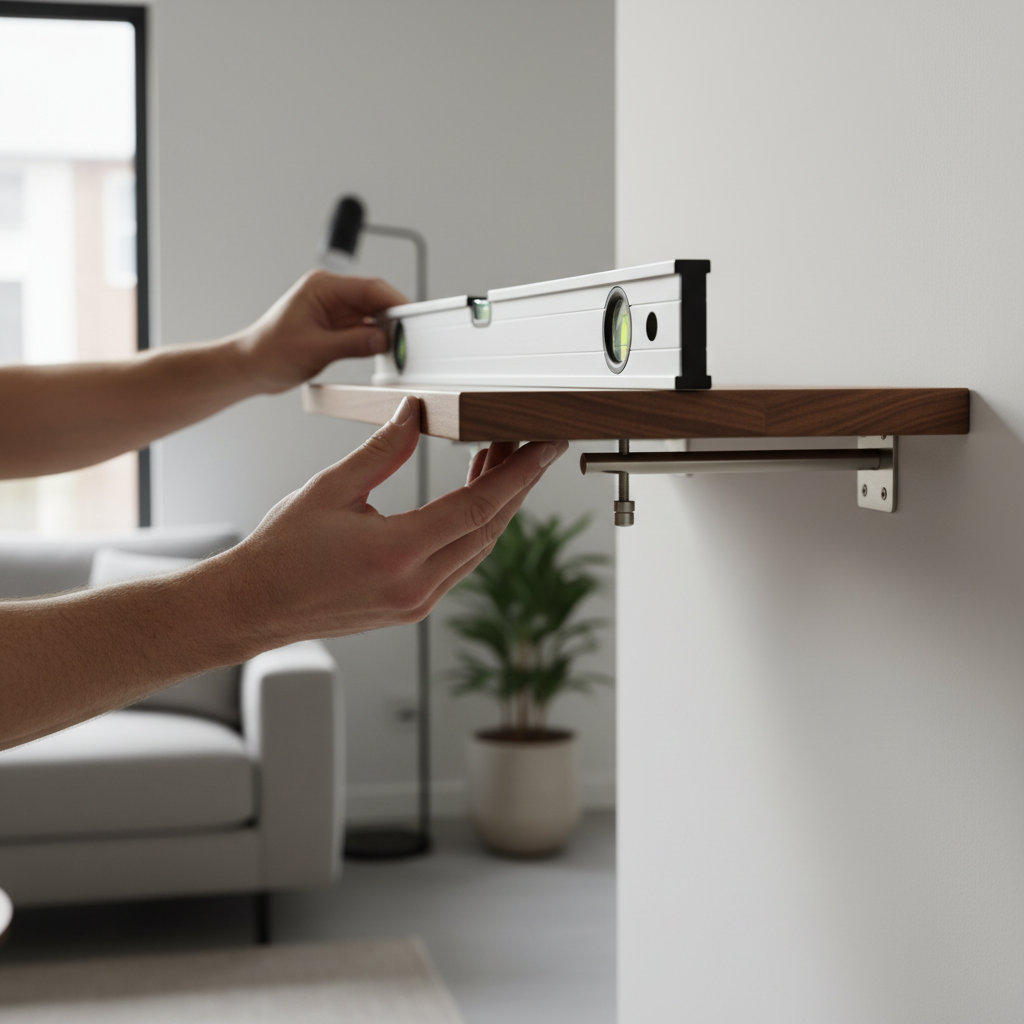
The final step is installation, where the crafted pieces are transported to the site and installed with precision. This phase requires coordination and skill to ensure the joinery fits seamlessly into its intended space.
Final Adjustments
Once installed, a final check is performed to ensure everything is aligned and functioning correctly. Any necessary adjustments are made to guarantee the finished product meets client expectations and standards.
Conclusion
The joinery process, from measurement to installation, is a testament to the craftsmanship and attention to detail required to create beautiful and functional woodwork. By understanding each step, clients can better appreciate the artistry and dedication involved in bringing their visions to life.